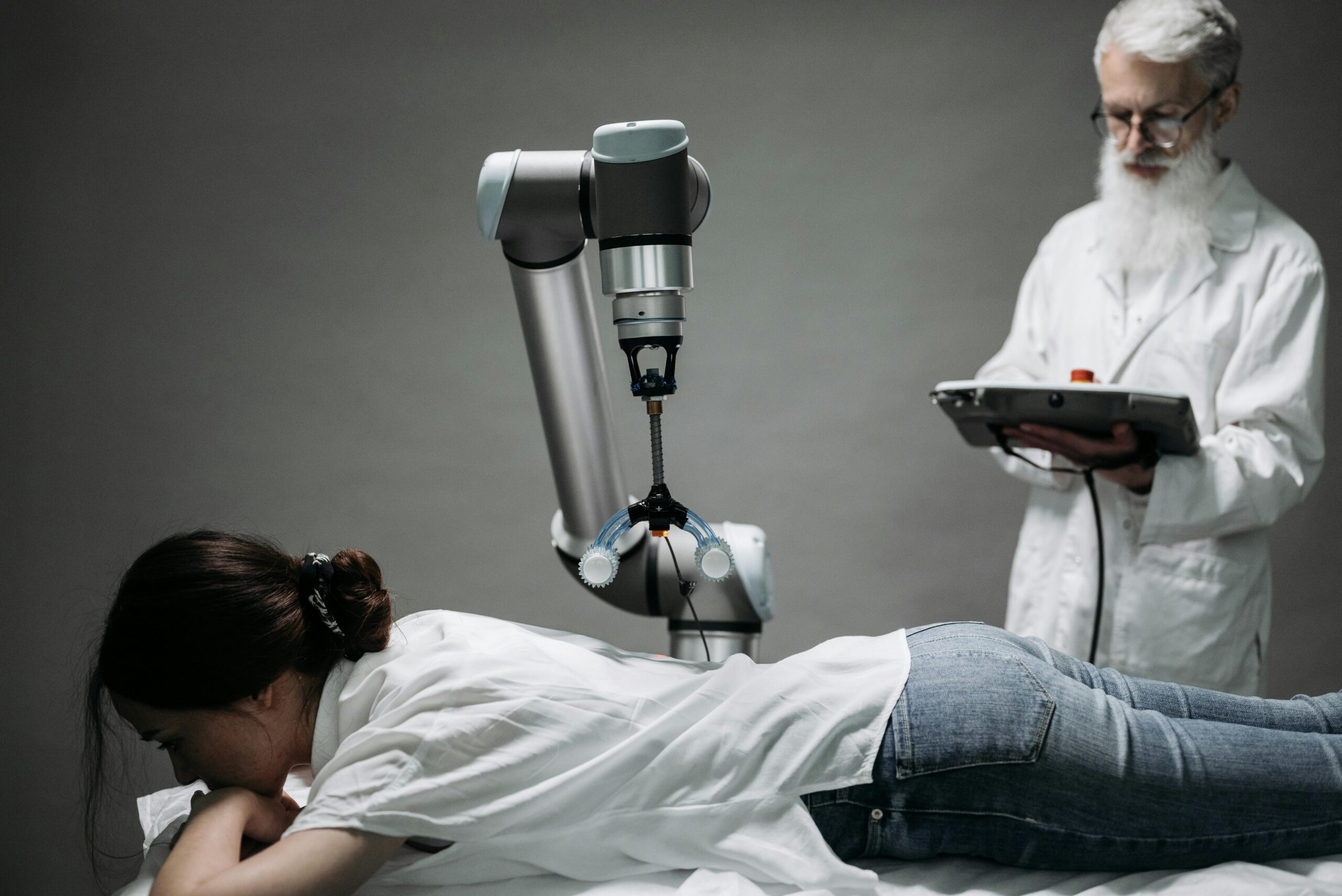
Technology is evolving to understand not just what we do, but how we feel while doing it, creating interfaces that adapt to our emotional states in real-time.

The digital landscape is undergoing a remarkable transformation as developers and designers recognize that user experience extends far beyond functionality and aesthetics. Mood-adaptive interfaces represent the next frontier in personalized technology, where systems dynamically adjust their appearance, tone, and functionality based on the emotional state of the user. This innovative approach promises to create more empathetic, responsive, and ultimately satisfying digital experiences that resonate with users on a deeply personal level.
As we spend increasing amounts of time interacting with digital devices, the importance of emotionally intelligent interfaces becomes paramount. Traditional user interfaces have operated on a one-size-fits-all principle, treating all users identically regardless of their current emotional state, stress levels, or cognitive capacity. Mood-adaptive technology challenges this paradigm by introducing emotional awareness into the equation, creating interfaces that can recognize frustration, stress, joy, or fatigue and respond accordingly.
🧠 Understanding the Science Behind Mood-Adaptive Technology
Mood-adaptive interfaces rely on sophisticated combinations of biometric sensors, machine learning algorithms, and behavioral analysis to detect and interpret user emotions. These systems gather data from multiple sources including facial recognition, voice analysis, typing patterns, mouse movement speed, and even physiological signals like heart rate variability when wearable devices are connected.
The technology leverages affective computing, a field pioneered by MIT researcher Rosalind Picard in the 1990s, which focuses on developing systems capable of recognizing, interpreting, and simulating human emotions. Modern implementations use deep learning neural networks trained on vast datasets of human emotional expressions and behaviors, enabling them to make increasingly accurate predictions about user mood states.
Biometric indicators provide particularly valuable insights into emotional states. Microexpressions lasting just fractions of a second can reveal genuine emotions that users might not consciously express. Similarly, vocal patterns including pitch, tempo, and tone carry emotional information that sophisticated algorithms can decode. Even seemingly mundane interactions like how forcefully someone types or how erratically they move their cursor can signal frustration, urgency, or confusion.
🎨 Visual Design Transformations Based on Emotional States
One of the most immediately noticeable aspects of mood-adaptive interfaces is their ability to modify visual elements based on detected emotional states. Color psychology plays a central role in these adaptations, with interfaces shifting palettes to support the user’s current needs.
When the system detects stress or frustration, it might automatically transition to cooler color schemes featuring blues and greens known for their calming properties. Interface complexity might reduce, hiding advanced options and presenting only essential functions to prevent overwhelm. Conversely, when a user appears energized and engaged, the interface might introduce more vibrant colors and reveal additional features that encourage exploration and productivity.
Animation behaviors also adjust according to mood. For anxious or stressed users, transitions become slower and more predictable, creating a sense of stability and control. Energetic users might experience snappier animations and more dynamic visual feedback that matches their heightened state of engagement.
Adaptive Typography and Layout
Text presentation adapts beyond simple dark mode alternatives. Fatigued users might see increased line spacing, larger font sizes, and higher contrast ratios to reduce eye strain. The interface might suggest break times or activate reading modes that minimize distractions. For users showing signs of cognitive overload, information density decreases automatically, with content reorganized into smaller, more digestible chunks.
📱 Practical Applications Across Different Platforms
Mood-adaptive technology finds applications across various digital platforms, each leveraging emotional intelligence to enhance user experience in unique ways.
Mobile Operating Systems and Applications
Smartphones represent ideal platforms for mood-adaptive interfaces due to their constant proximity to users and abundant sensor capabilities. Mobile operating systems can adjust notification behaviors based on detected stress levels, delaying non-urgent alerts when users appear overwhelmed or anxious.
Productivity applications might recognize when concentration is waning and suggest breaks or switch to less demanding tasks. Social media apps could detect negative emotional spirals and adjust content feeds to include more positive or uplifting material, potentially intervening before doom-scrolling patterns become entrenched.
Desktop and Web-Based Experiences
Professional software suites implement mood-adaptive features to support workplace wellbeing and productivity. Design tools might simplify interfaces when users struggle with complex tasks, offering contextual help and guided workflows. Code editors could detect frustration patterns when developers encounter persistent errors and proactively suggest resources or alternative approaches.
E-commerce platforms use mood detection to optimize the shopping experience. A stressed user might see a simplified checkout process with fewer decisions required, while an engaged browser receives more product recommendations and interactive elements that encourage exploration.
Gaming and Entertainment
The gaming industry has embraced mood-adaptive technology to create more immersive and emotionally resonant experiences. Dynamic difficulty adjustment based on player frustration or boredom keeps games challenging but not overwhelming. Narrative elements might branch based on player emotional responses, creating truly personalized storytelling experiences.
Music streaming services implement mood-adaptive algorithms that go beyond simple playlist selection, adjusting not just song choices but also audio characteristics like tempo and energy levels to match or intentionally shift the user’s emotional state.
🔐 Privacy Considerations and Ethical Implementation
The collection and analysis of emotional data raises significant privacy and ethical concerns that developers must address thoughtfully. Emotional information represents perhaps the most intimate form of personal data, revealing psychological states that users might not wish to share or even consciously acknowledge.
Transparent data practices form the foundation of ethical mood-adaptive systems. Users must understand exactly what emotional indicators are being monitored, how this information is analyzed, and where it is stored. Opt-in rather than opt-out approaches respect user autonomy, allowing individuals to choose whether they want emotionally responsive interfaces.
Data minimization principles should guide implementation, collecting only the emotional information necessary for specific adaptive functions. Emotional data should be processed locally on devices whenever possible, avoiding transmission to external servers where it might be vulnerable to breaches or unauthorized access.
Preventing Emotional Manipulation
The power to detect and respond to emotions carries the potential for exploitation. Mood-adaptive systems must be designed to benefit users rather than manipulate them for commercial gain. E-commerce platforms, for example, should resist the temptation to exploit detected vulnerability or impulsivity to increase sales.
Clear ethical guidelines and industry standards need development to prevent mood-adaptive technology from becoming a tool for emotional manipulation. Regulatory frameworks may eventually classify emotional data similarly to health information, requiring special protections and usage restrictions.
⚙️ Technical Architecture of Mood-Adaptive Systems
Implementing effective mood-adaptive interfaces requires sophisticated technical architectures that balance responsiveness with resource efficiency. The typical system consists of several interconnected components working in harmony.
The sensing layer collects emotional indicators from available sources, which might include camera feeds for facial analysis, microphone input for voice emotion recognition, interaction patterns from input devices, and biometric data from connected wearables. This layer must operate efficiently to avoid draining device resources or introducing latency.
The inference engine processes raw sensor data using machine learning models to classify emotional states. Modern implementations increasingly use edge computing approaches, running lightweight neural networks directly on user devices rather than relying on cloud processing. This reduces latency, improves privacy, and ensures functionality even without internet connectivity.
The adaptation layer translates emotional assessments into concrete interface modifications. This component maintains rules and algorithms defining how different interface elements should respond to various emotional states, ensuring adaptations feel natural and helpful rather than jarring or intrusive.
Machine Learning Models for Emotion Recognition
Training accurate emotion recognition models requires diverse datasets representing different demographics, cultural contexts, and individual expression patterns. Transfer learning techniques allow developers to start with pre-trained models and fine-tune them for specific applications or user populations.
Continuous learning capabilities enable mood-adaptive systems to improve over time by learning individual user patterns. Your system might discover that you tend to type more forcefully when excited rather than frustrated, adjusting its interpretations accordingly for more accurate personalization.
🌟 Real-World Success Stories and Case Studies
Several pioneering implementations demonstrate the practical benefits of mood-adaptive interfaces across different contexts.
Mental health applications have successfully integrated mood-adaptive features to support users during difficult moments. When apps detect signs of increasing anxiety or depression, they can proactively offer coping resources, breathing exercises, or suggestions to connect with support networks. These timely interventions, triggered by emotional awareness rather than scheduled reminders, prove more effective at critical moments.
Educational technology platforms use mood-adaptive approaches to optimize learning experiences. When systems detect student frustration with particular concepts, they can automatically adjust pacing, provide additional explanations, or switch to different teaching modalities better suited to the learner’s current state. This responsiveness helps maintain engagement and prevents the discouragement that often leads to educational disengagement.
Corporate productivity suites have implemented mood-aware features that support employee wellbeing. Systems that detect prolonged stress patterns might suggest wellness resources, remind users to take breaks, or even notify managers about potential burnout risks within their teams, enabling earlier interventions.
🚀 Future Directions and Emerging Innovations
The field of mood-adaptive interfaces continues evolving rapidly, with several exciting developments on the horizon promising even more sophisticated and beneficial implementations.
Multi-modal emotion recognition will become standard, combining multiple data sources for more accurate and nuanced emotional assessments. Rather than relying on single indicators like facial expressions alone, future systems will integrate voice, text, physiological signals, and behavioral patterns to build comprehensive emotional profiles that account for individual differences and contextual factors.
Predictive emotional intelligence represents another frontier, where systems don’t just respond to current emotional states but anticipate upcoming mood shifts based on patterns, contexts, and external factors. Your interface might prepare calming adaptations before a stressful meeting or energizing modifications when you typically experience afternoon fatigue.
Integration with Ambient Computing
As computing becomes increasingly ambient and distributed across environments, mood-adaptive capabilities will extend beyond individual devices to entire smart spaces. Your emotional state might influence lighting, temperature, audio environments, and all digital interfaces simultaneously, creating holistically supportive environments that respond to your psychological needs.
Collaborative mood awareness in shared digital spaces could enable new forms of empathetic communication. Video conferencing platforms might subtly signal when participants are confused, disengaged, or overwhelmed, helping presenters adjust their approach in real-time for more effective communication.
🎯 Implementing Mood-Adaptive Features in Your Projects
Developers and designers interested in incorporating mood-adaptive elements into their projects can start with practical, achievable implementations that deliver meaningful value without requiring extensive resources.
Begin with behavioral pattern analysis, which requires no special sensors beyond standard input devices. Monitor interaction patterns like typing speed variations, mouse movement characteristics, error rates, and task completion times to infer likely emotional states. These indicators, while less precise than biometric measurements, still provide valuable insights for basic adaptations.
Implement graduated adaptations that scale with confidence levels. When emotional assessments carry high certainty, interfaces can make more substantial modifications. For ambiguous situations, subtle changes prevent misguided adaptations that might frustrate rather than help users.
Always provide user control over adaptive behaviors. Include settings allowing users to adjust sensitivity, disable specific adaptations, or pause mood-detection entirely. This respect for user autonomy builds trust and ensures the technology serves user preferences rather than imposing unwanted changes.
Testing and Validation
Rigorous testing proves essential for mood-adaptive interfaces due to their personalized nature. Standard usability testing must expand to include diverse emotional states, ensuring adaptations function appropriately across the spectrum of human emotions. Longitudinal studies reveal whether users find ongoing adaptive behaviors helpful or annoying over extended periods.
Gather both quantitative metrics like task completion rates and error frequencies alongside qualitative feedback about how adaptations affect user experience and emotional wellbeing. This comprehensive approach ensures mood-adaptive features deliver genuine benefits rather than adding complexity without commensurate value.
💡 Design Principles for Effective Mood-Adaptive Interfaces
Creating successful mood-adaptive interfaces requires adherence to specific design principles that ensure adaptations enhance rather than disrupt user experience.
Subtlety should guide most adaptations. Dramatic interface transformations can disorient users and break flow states. Gradual transitions and modest adjustments that users might not consciously notice often prove most effective, creating supportive environments without drawing attention to the adaptive mechanisms themselves.
Context-awareness complements emotional detection, ensuring adaptations respect situational factors. A user might appear stressed because they’re working under deadline pressure and need focused tools rather than relaxation prompts. Effective systems consider both emotional states and contextual information to make appropriate adaptive decisions.
Reversibility allows users to undo or override adaptive changes they find unhelpful. Even sophisticated emotion recognition makes mistakes, and individual preferences vary widely. Easy reversal mechanisms demonstrate respect for user judgment while providing valuable feedback for improving adaptive algorithms.
Consistency within adaptations maintains usability even as interfaces transform. Core navigation patterns and essential functions should remain accessible in predictable locations regardless of emotional adaptations. Changes should affect presentation and emphasis rather than fundamental interaction models that users have internalized.
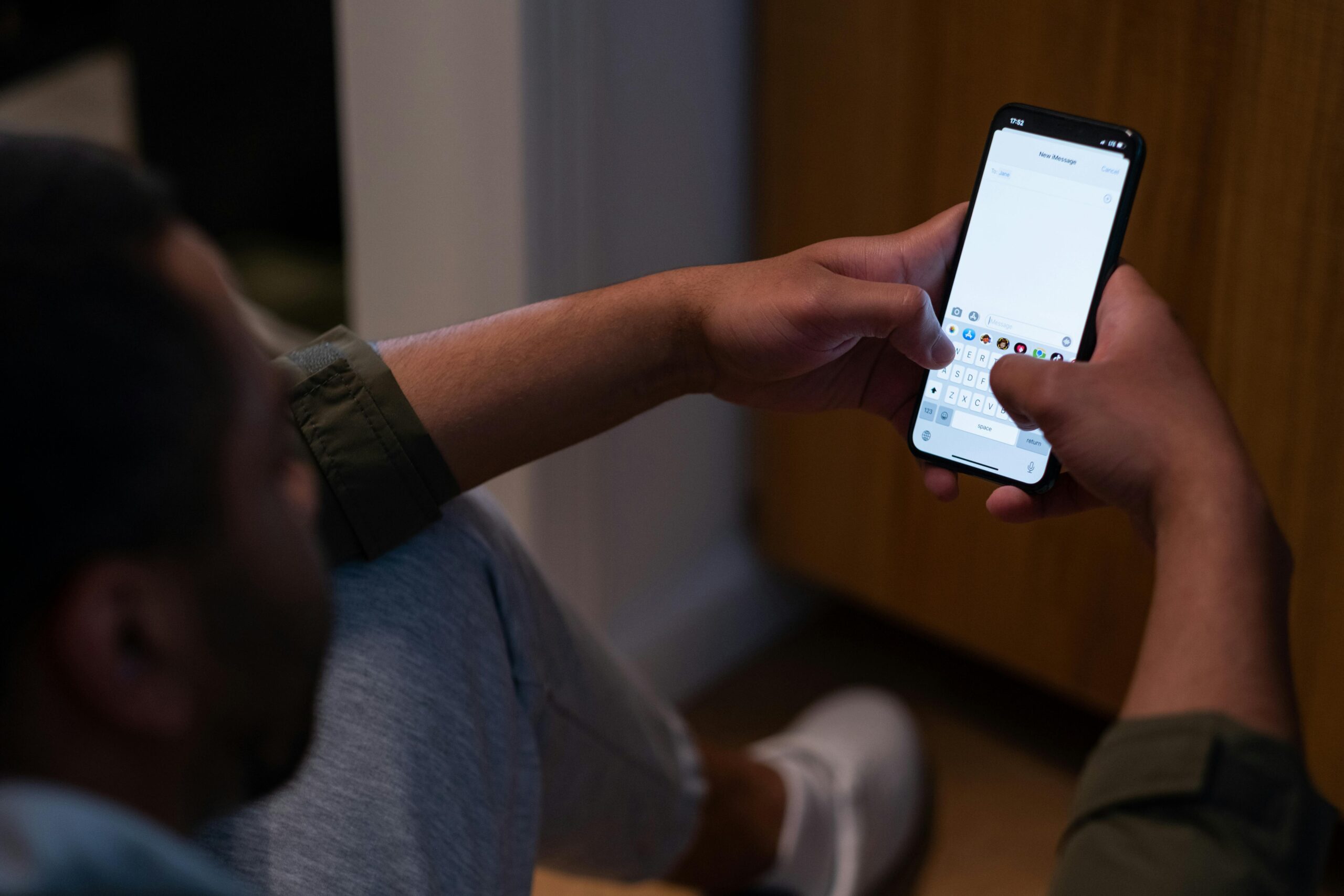
🌈 The Human-Centered Future of Digital Interaction
Mood-adaptive interfaces represent a fundamental shift toward more human-centered technology that recognizes users as complex emotional beings rather than simply task-completion engines. By acknowledging and responding to emotional states, these systems create more empathetic digital experiences that support psychological wellbeing alongside functional goals.
The technology’s true potential lies not in manipulation or commercial exploitation but in genuine support for human flourishing. Interfaces that recognize when we’re overwhelmed and simplify themselves, that detect discouragement and offer encouragement, or that sense engagement and provide expanded opportunities for exploration can fundamentally transform our relationship with technology.
As mood-adaptive systems mature, they promise to bridge the gap between cold, mechanical digital interactions and the warm, responsive experiences we enjoy in human relationships. Technology that understands not just what we want to accomplish but how we feel while accomplishing it creates experiences that resonate on deeper levels, reducing digital friction and supporting our emotional needs.
The journey toward emotionally intelligent interfaces has only begun, but the destination promises digital experiences that enhance rather than drain our emotional resources, technology that adapts to us rather than forcing us to adapt to it, and interactions that feel less like using tools and more like engaging with understanding partners in our daily lives. This future of personalized, mood-adaptive technology offers exciting possibilities for creating seamless interactions that honor the full complexity of human experience. 🚀